PG Monsoon Maintenance: Roof Leaks and Wall Seepage
A pre-monsoon checklist for PG roof drainage, waterproofing, wall seepage, electrical safety and maintenance complaints.
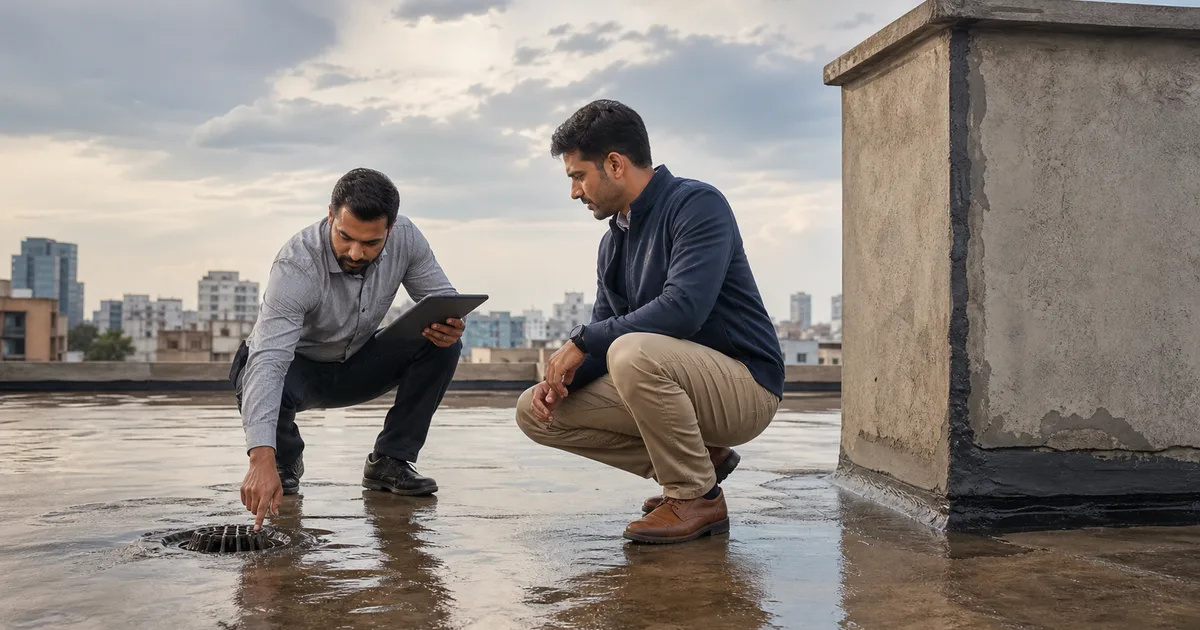
For Paying Guest (PG) owners, hostel operators, and co-living managers across India, the arrival of monsoon rains brings a severe operational challenge: water seepage, roof leakage, peeling wall plaster, electrical short circuits, and pest infestation.
Heavy monsoon rains across Indian cities test the structural integrity of rental buildings. Unaddressed roof leaks or damp walls not only destroy expensive room furniture and electrical appliances but also trigger severe resident complaints, negative online reviews, and sudden room cancellations.
Responsibility for structural seepage depends on the agreement, ownership/common-area structure, applicable state tenancy law and local building rules. Urgent safety risks should be made safe without delay.
How do you prepare your PG building before monsoon rains hit? What are the best chemical waterproofing solutions for terrace roofs? How do you treat peeling wall dampness (efflorescence/shora)? How do you prevent electrical hazards during heavy downpours?
This article explains a 3-Step Pre-Monsoon Maintenance Roadmap, terrace elastomeric waterproofing coatings, interior wall seepage treatment, RCCB electrical rain safety protocols, and how property management platforms like RentTenant automate digital maintenance complaint ticketing and repair ledgers.
Table of Contents
- The Pre-Monsoon Maintenance Roadmap (May 15 – June 15)
- Landlord Legal Obligations for Structural Repairs
- Terrace & Roof Waterproofing Solutions
- Rainwater Drain Pipe (Khurra) Clearance
- Parapet Crack Sealing with Polyurethane (PU)
- Elastomeric Liquid Waterproofing Membranes
- Interior Wall Seepage & Efflorescence (Shora) Treatment
- Step-by-Step Wall Plaster & Dampness Restoration Protocol
- Electrical & Pest Safety Protocols for Heavy Rains
- Installing 30mA RCCB / ELCB Circuit Breakers
- Dengue & Mosquito Prevention in Hostels
- Managing Resident Maintenance Complaints with RentTenant
- Frequently Asked Questions (FAQs)
The Pre-Monsoon Maintenance Roadmap (May 15 – June 15)
Proactive maintenance executed between mid-May and mid-June prevents emergency structural damage during peak monsoon downpours.
+-------------------------------------------------------------------+
+-------------------------------------------------------------------+
|  STEP 1: TERRACE & ROOF DRAINAGE AUDIT (May 15 - May 25)          |
|  - Clear leaves, dirt, & debris from rainwater khurra pipes       |
|  - Inspect terrace slope to eliminate water ponding zones          |
|                                                                   |
|  STEP 2: CHEMICAL WATERPROOFING & CRACK SEALING (May 25 - June 05)|
|  - Fill parapet wall & slab cracks with PU / Polymer Mortar       |
|  - Apply 2 coats of elastomeric liquid waterproofing membrane     |
|                                                                   |
|  STEP 3: INTERIOR SEEPAGE & ELECTRICAL SAFETY (June 05 - June 15)  |
|  - Treat wall efflorescence (shora) & apply anti-fungal primer    |
|  - Test 30mA RCCB / ELCB breakers & outdoor wiring insulation     |
|  - Conduct dengue/mosquito pest control & clean gully traps       |
+-------------------------------------------------------------------+
Landlord Legal Obligations Under Indian Law
Under standard Leave & License agreements and state Rent Control Acts:
- Major / Structural Repairs (Landlord's Duty): Roof waterproofing, wall seepage, main plumbing line leaks, foundation repairs, and electrical distribution board maintenance are the sole responsibility of the property owner.
- Minor Maintenance (Tenant's Duty): Tenants must keep room drains clear of debris, maintain daily room cleanliness, and report leaks immediately.
Terrace & Roof Waterproofing Solutions
The terrace roof is your building's primary line of defense against monsoon rains.
Clearing Rainwater Downspouts (Khurra / Gully Traps)
Clogged rainwater pipes are the #1 cause of terrace flooding and ceiling seepage.
- Clear dried leaves, silt, and construction debris from all terrace drain outlets.
- Install stainless steel or PVC wire mesh dome caps over rainwater pipe inlets to prevent leaf blockage.
Parapet Wall & Expansion Crack Sealing
Junctions where the flat terrace slab meets vertical parapet walls frequently develop hairline thermal expansion cracks.
- Clean visible cracks using a wire brush.
- Seal cracks using high-elasticity Polyurethane (PU) Sealants or polymer-modified crack-filling mortar (e.g., Dr. Fixit Crack-X).
Applying Elastomeric Liquid Waterproofing Membranes
Traditional bitumen felts or cementitious coatings crack over time. Modern PG buildings use Elastomeric Acrylic Liquid Waterproofing Coatings (e.g., Asian Paints SmartCare Damp Proof / Dr. Fixit Roofseal).
- Flexibility: Elastomeric membranes possess over 300% elongation capacity, expanding and contracting with temperature changes without cracking.
- Application: Apply a primer coat followed by two heavy coats across the terrace floor and 1 foot up the parapet walls.
Interior Wall Seepage & Efflorescence (Shora) Treatment
When rainwater penetrates exterior brickwork, it dissolves mineral salts, leading to white powdery deposits (efflorescence / shora), bubbling paint, and fungal mold inside tenant rooms.
+-------------------------------------------------------------------+
|            WALL SEEPAGE & EFFLORESCENCE RESTORATION               |
+-------------------------------------------------------------------+
|  1. WIRE BRUSH SCRAPING  ->  Scrape damaged plaster to bare brick |
|  2. SALT NEUTRALIZATION  ->  Apply anti-efflorescence treatment   |
|  3. DAMP BLOCK COATING   ->  Apply silicone-based damp-proof coat |
|  4. ANTI-FUNGAL PAINT    ->  Apply primer & breathable emulsion   |
+-------------------------------------------------------------------+
Step-by-Step Restoration Protocol:
- Scraping: Wire brush the damaged wall area down to bare masonry plaster to remove loose paint and salt crystals.
- Neutralization: Wash the affected wall with a specialized anti-efflorescence chemical solution or diluted acid wash.
- Damp Block Coating: Apply a heavy coat of silicone-based damp-proofing chemical (e.g., Dr. Fixit Dampguard / Asian Paints SmartCare Hydroloc).
- Anti-Fungal Painting: Apply a damp-resistant primer followed by an anti-fungal acrylic interior emulsion.
Electrical & Pest Safety Protocols for Heavy Rains
Monsoon dampness combined with high electrical consumption poses severe safety hazards in high-density PG accommodations.
Installing 30mA RCCB / ELCB Circuit Breakers
Water seepage coming in contact with concealed electrical conduits can cause lethal electrocution or electrical fires.
- Install a 30mA Residual Current Circuit Breaker (RCCB / ELCB) on every main distribution board.
- An RCCB automatically trips power within 30 milliseconds if current leakage is detected anywhere in the building circuit.
Automate PG Maintenance Complaints & Cost Ledgers with RentTenant
Tired of frantic monsoon complaint calls and lost repair bills? Use RentTenant to let residents log photo maintenance tickets, assign technicians, and track property repair costs.
Weatherproofing Outdoor Wiring & Water Pumps
- Enclose all terrace water pump switches, rooftop Wi-Fi access points, and outdoor security cameras in IP65-rated weatherproof junction boxes.
- Conduct an earthing resistance test on main electrical meters.
Dengue & Mosquito Prevention
- Treat stagnant water traps and drains with anti-larval sprays before heavy rains.
- Ensure all window mesh screens are intact in resident rooms to prevent mosquito-borne diseases like Dengue and Malaria.
Managing Resident Maintenance Complaints with RentTenant
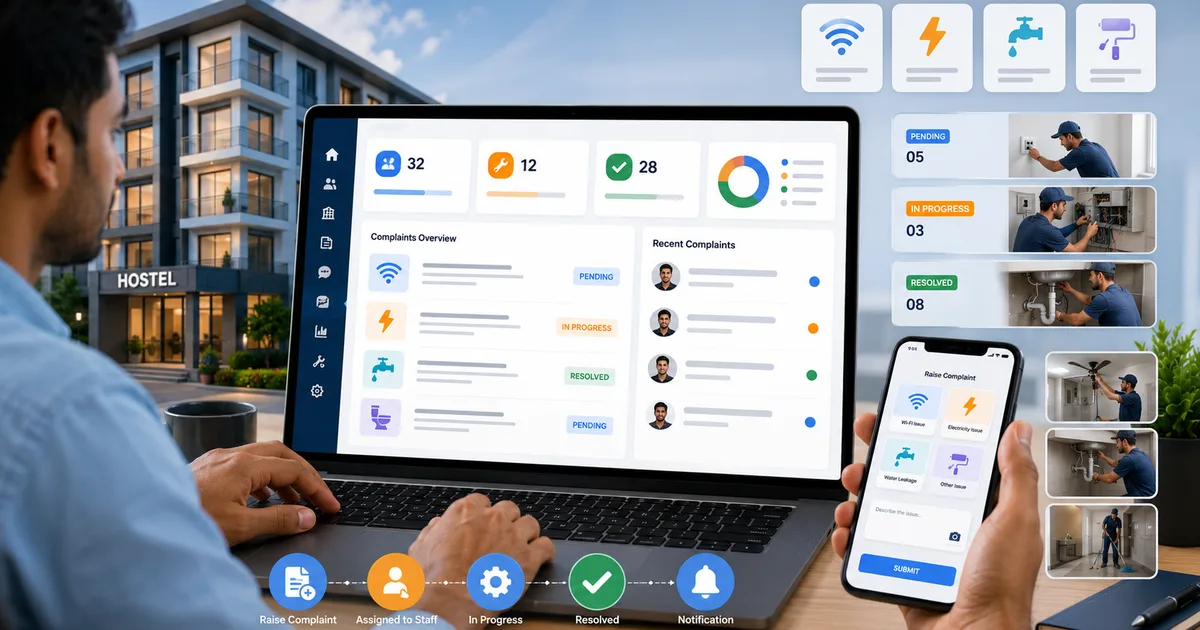
Managing monsoon maintenance via frantic phone calls and unorganized WhatsApp messages causes delayed repairs and resident frustration. RentTenant streamlines maintenance operations:
Key RentTenant Maintenance Features:
- In-App Complaint Logging with Photos: Residents log seepage, electrical, or plumbing issues in the RentTenant app, attaching photo evidence and room location.
- Automated Technician Dispatch: Property managers assign repair tickets directly to contracted waterproofing technicians or electricians with warden oversight.
- Maintenance Cost Ledger: Logs all repair expenditures against property accounts for simplified CA tax deductions.
- Real-Time Ticket Resolution Alerts: Automatically notifies residents when maintenance tickets are resolved.
Frequently Asked Questions (FAQs)
Q1. Who is legally responsible for roof seepage in a rented PG property in India?
Major structural repairs, including terrace roof waterproofing, main pipe leaks, and wall seepage, are the legal responsibility of the property owner/landlord under Indian tenancy laws.
Q2. What is the best chemical for terrace roof waterproofing?
Elastomeric acrylic liquid membranes (such as Asian Paints SmartCare Damp Proof or Dr. Fixit Roofseal) are considered the most effective for terrace roofs due to their high flexibility and UV resistance.
Q3. How can a PG owner prevent electrical short circuits during monsoon rains?
Install 30mA Residual Current Circuit Breakers (RCCBs / ELCBs) on main distribution boards and enclose all outdoor electrical connections in IP65 weatherproof junction boxes.
Key Takeaways
Preparing your PG property before the monsoon season arrives protects your real estate asset, ensures tenant safety, and eliminates costly emergency repairs. By conducting pre-monsoon terrace audits, applying elastomeric waterproofing coatings, installing RCCB electrical breakers, and managing maintenance tickets digitally with RentTenant, PG owners can run a secure, dry, and highly rated property throughout the rainy season.
Ready to streamline your PG maintenance complaint ticketing? Explore RentTenant Property Management Software Today
Source-Backed Owner Checklist
Legal, tax and compliance outcomes are fact-specific. Central statutes, model laws, state enactments, municipal rules, police orders and the signed agreement can produce different answers. Verify the current rule for the property's State/UT and local jurisdiction before acting.
| Check | Practical action |
|---|---|
| Pre-monsoon | Inspect roof, drains, façade and electrical protection |
| Triage | Prioritise active electrical, structural and hygiene risks |
| Responsibility | Check agreement, society records and applicable law |
| Evidence | Log complaint, photos, contractor action and closure |
Worked example (illustrative, not legal or tax advice)
A roof leak affecting a tenant's room may involve owner, society or contractor obligations. The agreement, title/common-area structure, state tenancy law and local building rules determine responsibility; electrical danger should be isolated immediately by a qualified person.
Primary and official sources
- Model Building Bye-Laws — Ministry of Housing and Urban Affairs
- Model Acts and tenancy-law resources — Ministry of Housing and Urban Affairs
- Electricity Act, 2003 — India Code
- Code of Civil Procedure, 1908 — India Code
Important: This article provides general operational information, not legal, tax or investment advice. Rules, notifications and portal processes can change. For a material decision or dispute, consult a qualified professional in the relevant State/UT and verify the current official text.
Related RentTenant Guides
- hostel complaint management — Convert seepage and electrical reports into trackable work orders.
- PG management guide — Include seasonal maintenance in routine property operations.
- maintenance workflow — Track resident complaints, assignment and resolution status.

About the Author
Shilpi Shukla
Shilpi Shukla has 7 years of experience in rental property, hostel, PG, and tenant management. She shares practical insights to help property owners simplify operations, improve tenant experiences, and grow their rental business with RentTenant.