Moving Into a PG and Hostel? Must-Haves for a Stress-Free Move
A practical move-in guide for PG and hostel tenants in India, with a packing checklist, document list, settling-in tips, and common mistakes to avoid.
Introduction: Your Guide to a Smooth PG/Hostel Move
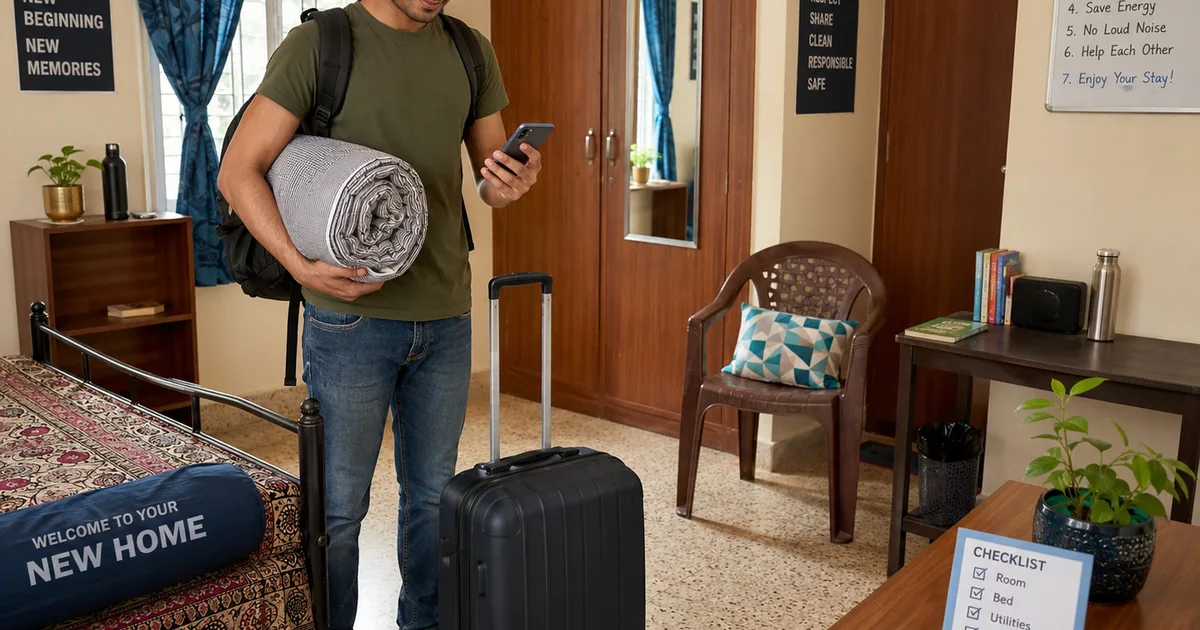
Moving into a PG or hostel is exciting, but the first few days can feel rushed. You are packing, arranging documents, figuring out room rules, and trying to settle into a new routine all at once. A little preparation can make the transition much easier.
This guide brings together the most practical things to do before move-in, what to pack, what to avoid, and how to settle in quickly. It is designed for students and working professionals who want a stress-free start in shared accommodation.
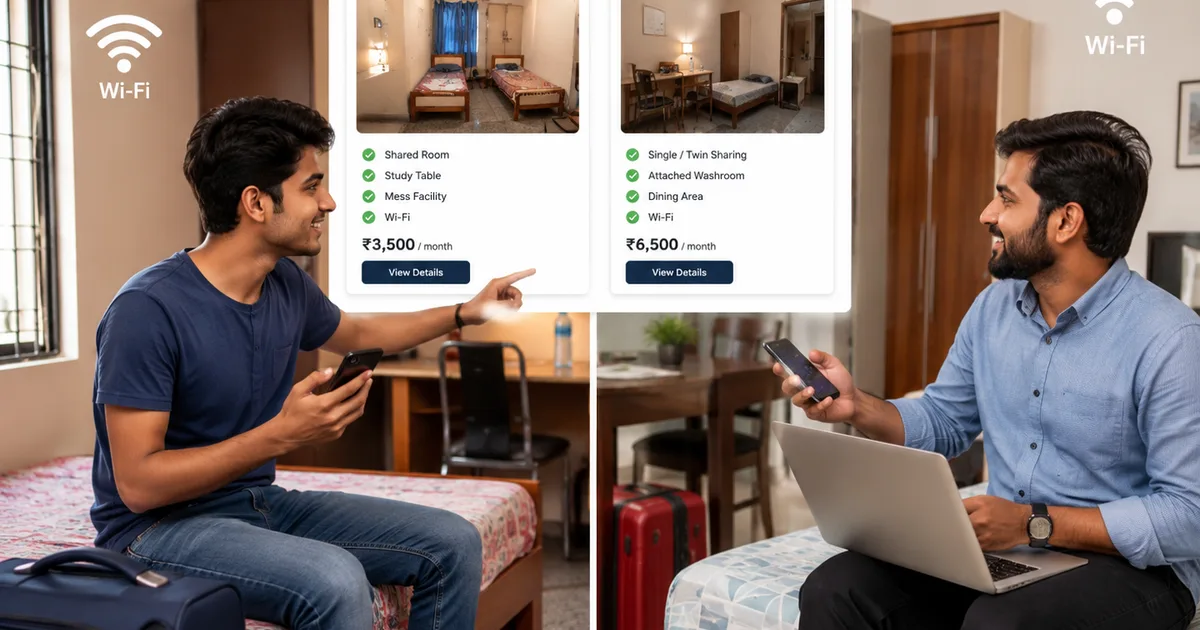
If you are still deciding between accommodation types, it can help to compare your priorities first. Our guide on Hostel Room Vs PG Room: Best Option in India can help you think through budget, privacy, food, and routine before you commit.
Essential Documents & Pre-Move Preparations
Before you carry bags into the room, make sure your paperwork and payments are ready. This avoids last-minute confusion at check-in and helps you start on the right note.
Key Documents to Keep Handy
Keep both physical copies and scanned copies of important documents in one folder. A simple document checklist can include:
- Aadhaar card or other government ID
- PAN card, if needed for verification or payments
- Academic documents, if you are moving in as a student
- Offer letter or joining letter, if you are a working professional
- Passport-size photographs
- Emergency contact details
- Rent agreement or stay agreement, if applicable
- Payment proofs for deposit, first month rent, or advance charges
If your property follows a verification process, you may also be asked for tenant KYC details. In such cases, organized documents make the process smoother. You can also review Digital KYC for Hostel Tenants to understand what a managed verification flow may look like.
Financial Planning and Deposits
Before move-in, budget for more than just monthly rent. Common upfront costs can include:
- Security deposit
- First month rent
- Mess or food charges, if applicable
- Electricity or utility charges, if billed separately
- Setup purchases such as bedding, toiletries, or storage items
A simple planning method is to separate your expenses into three buckets:
- One-time move-in costs: deposit, initial shopping, travel
- Monthly fixed costs: rent, food, commuting
- Variable costs: laundry, electricity, small repairs, personal supplies
Keep payment records safely. If your property issues digital receipts, that makes it easier to track what you have already paid. For tenants who want to understand why records matter, the Rent Receipt Generator can be a useful reference point.
Packing Your Must-Haves: Personal & Room Essentials
The best packing list is not the longest one. It is the one that covers your daily needs without cluttering a shared space. Use the following checklist as a starting point and trim it based on your property’s rules and what is already provided.
Personal Care & Clothing
Pack items that help you stay comfortable from day one:
- Toothbrush and toothpaste
- Soap, face wash, shampoo, and conditioner
- Comb or hairbrush
- Razor or grooming items
- Towels and hand towels
- Deodorant and basic hygiene products
- Medicines you use regularly, with prescriptions if required
- Seasonal clothing suitable for the local climate
- Everyday wear, sleepwear, and at least one formal or semi-formal outfit
- Socks, innerwear, and extra basics for a few days
- Rain gear, jacket, sweater, or shawl depending on the season
A useful rule is to pack enough for comfort, not for storage. Shared rooms are usually easier to keep clean when personal items are limited to what you actually use.
Room Comfort & Organization
A few items can make a shared room feel more manageable and less temporary:
- Bedsheet and pillow cover set, if not provided
- Pillow and blanket, if needed
- Light blanket or bedsheet according to the weather
- Small laundry bag
- Hangers
- Foldable storage boxes or organizers
- Toiletry pouch
- Extension cord or charging strip, if permitted by the property
- Simple room freshener, if allowed
- A small lock for personal storage, if needed
If the room already includes furniture, avoid doubling up with extra items you will not use regularly. The goal is to keep your side of the room functional and easy to maintain.
Study & Work Supplies for Productivity
Students and professionals often underestimate how much easier life becomes when basic work supplies are ready from the start.
Consider packing:
- Notebooks, pens, pencils, eraser, markers, and sticky notes
- Laptop and charger
- Phone charger and backup charging cable
- Earphones or headphones
- Power bank
- Desk lamp, if the room setup needs one and it is allowed
- Hard drive or USB drive, if useful for your work or study
- ID card, lanyard, and office or college essentials
- Planner or calendar
If you study at night or work from the room, a simple desk setup can improve focus. Keep your work items easy to reach so you do not turn the bed into a permanent workspace.
Kitchen & Dining Basics (If Applicable)
Some PGs and hostels allow limited personal food items, while others provide full meals or shared dining arrangements. Check the rules before buying extras.
Common basics may include:
- Water bottle
- Tiffin box
- Spoon, fork, and small plate, if allowed
- Mug or cup
- Reusable container for snacks
- Small food storage box
- Instant tea or coffee supplies, only if permitted
If the property already offers meals, focus on practical, reusable dining items rather than too many utensils. When in doubt, ask management what is acceptable in rooms and common kitchens.
Settling In: Tips for a Stress-Free Transition
Move-in day is only the beginning. Settling in well means understanding the environment, communicating clearly, and building habits that fit the property’s routine.
Understanding House Rules and Etiquette
Every PG or hostel has its own expectations. These often cover:
- Entry and exit timings
- Visitor rules
- Noise levels
- Cleanliness responsibilities
- Use of common areas
- Food timings
- Laundry and maintenance procedures
Read the rules carefully instead of learning them through mistakes. If anything is unclear, ask management on the first day. This is especially helpful in shared accommodation where small misunderstandings can quickly affect daily comfort.
Connecting with Roommates and Management
A respectful introduction goes a long way. Keep the first few interactions simple and considerate.
Try to:
- Introduce yourself politely
- Ask about shared routines
- Confirm storage boundaries and plug points
- Discuss noise preferences early
- Share emergency contact details if appropriate
- Raise issues early instead of waiting too long
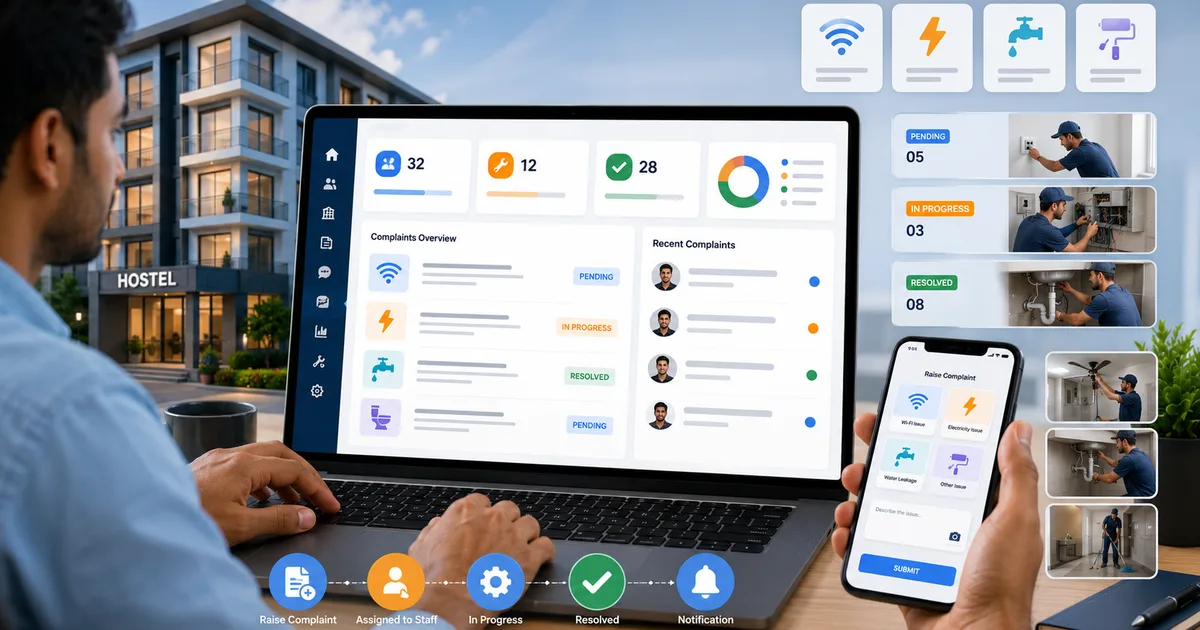
Clear communication matters when you need help with a complaint or maintenance issue. For a sense of how organized issue handling works, you can read Hostel Complaint Management Guide.
Exploring Your New Neighborhood
A new room feels easier to live in when the surrounding area feels familiar.
On the first few days, identify:
- The nearest grocery store
- Medical store or pharmacy
- ATM or payment point if needed
- Bus stop, metro station, or other transport options
- Food outlets and basic tiffin services
- Laundry or ironing services
- A safe route for late returns, if applicable
This small mapping exercise saves time later. It also helps during emergencies, especially if you move to a new city for the first time.
Are You a PG or Hostel Owner?
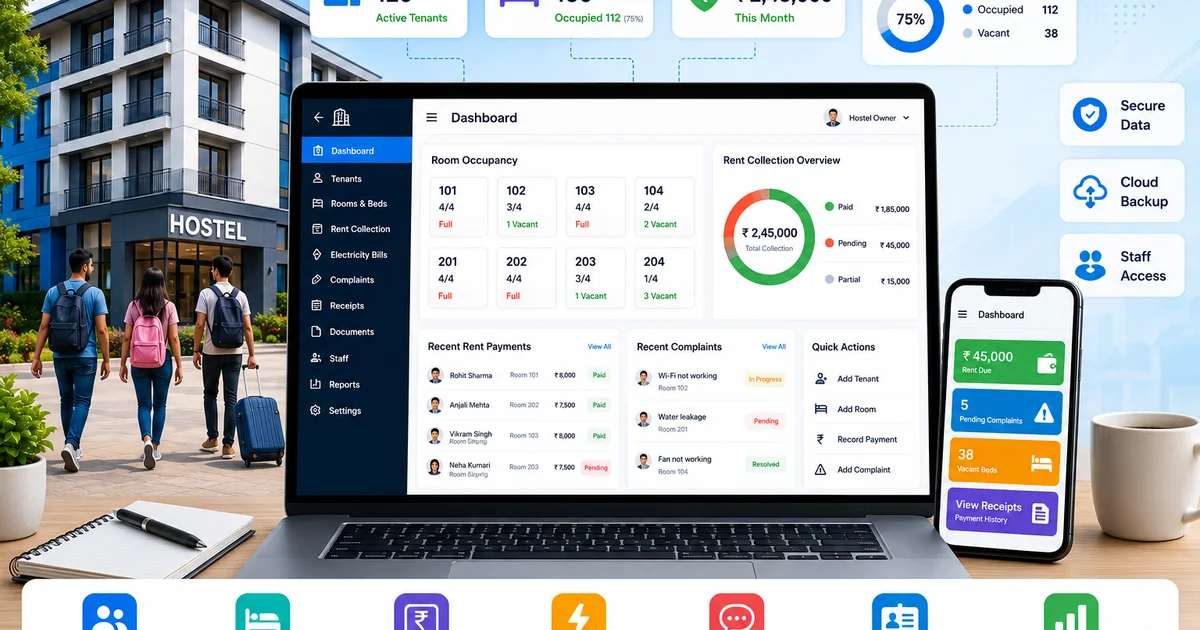
Provide your tenants with a seamless living experience. Discover how RentTenant's management software can simplify your operations and attract more residents.
What to Avoid & Common Moving Mistakes
Most move-in problems are avoidable. They usually come from overpacking, not reading the rules, or buying items before checking what is already available.
Overpacking and Unnecessary Items
Avoid bringing things that are bulky, hard to store, or easy to buy later.
Common examples include:
- Large furniture
- Excess bedding or duplicate linens
- Too many decorative items
- Appliances that are not allowed
- Kitchen equipment you will not use often
- Duplicate stationery, toiletries, or accessories
- Seasonal items you do not need right away
A useful decision question is: Will I use this every week? If the answer is no, leave it for later or buy it only after you settle in.
Also avoid carrying items that may violate house rules, such as prohibited appliances or anything that creates safety, hygiene, or space issues. When in doubt, confirm with management before moving it in.
Making Your PG/Hostel Feel Like Home
A room feels more comfortable when it supports your routine and reflects your personality in small ways. You do not need to redesign the space. A few thoughtful touches are usually enough.
Here are simple ways to make the room feel more personal:
- Keep your side of the room neat and organized
- Use a bedsheet or cushion cover in a color you like
- Add one or two low-clutter items such as a photo, calendar, or compact desk organizer
- Set up a regular sleep and study routine
- Keep your essentials in the same place every day
- Respect your roommates’ space as much as your own
The quickest way to feel at home is not by adding more things. It is by building a routine that makes the space easier to live in.
How RentTenant Supports a Better Living Experience
A well-run property makes move-in and daily life easier for tenants. RentTenant helps owners manage property, room, bed, and tenant workflows; rent, deposit, pending-dues, digital-receipt, and electricity-billing workflows; configured email and WhatsApp reminder workflows; complaint and maintenance tracking; and tenant KYC and rent-agreement workflows.
For tenants, that can translate into clearer communication, more organized records, and a better-handled issue flow. RentTenant also provides mobile-friendly owner and tenant experiences, which can make everyday interactions simpler.
Owners can also use Buddy AI for reporting assistance, including summaries of rent collection status and pending dues. In practice, that kind of visibility can support more orderly operations behind the scenes.
If you are a PG or hostel owner looking to improve the move-in experience and day-to-day coordination, explore the RentTenant workflow at the Rent Agreement Generator or start with the feature set that supports property and tenant management.
FAQ
What should I pack when moving into a PG or hostel?
Pack in categories so nothing important is missed. A practical PG packing list should include personal care items, a few sets of clothing, bedding basics, storage organizers, study or work supplies, and a few kitchen or dining items if your property allows them. Keep the list lightweight and focused on everyday use.
What documents do I need when moving into a PG or hostel?
Keep your Aadhaar card, PAN card, passport-size photos, and any academic documents if you are a student. Working professionals may also need an offer letter or joining proof. In addition, keep your rent agreement, payment proofs, and emergency contact details ready.
How can I make my move into a PG or hostel less stressful?
Plan early, declutter before packing, read the rules in advance, and keep a small first-day kit with essentials like toiletries, chargers, and documents. It also helps to communicate with management before arrival so you know what is already provided and what you need to bring.
Are there any specific items I should avoid bringing to a PG or hostel?
Yes. Avoid bulky furniture, duplicate household items, and appliances that the property does not allow. Also skip items that are easy to buy later or share with roommates, especially if they take up unnecessary space in a shared room.
How can I settle into my new PG or hostel quickly?
Introduce yourself to roommates, learn the property routine, explore the neighborhood, and personalize your space in simple ways. Small habits like keeping your belongings organized and respecting common rules help you adjust faster.
What are the typical rules and regulations in a PG or hostel?
Common rules usually cover entry and exit timings, visitor policies, noise levels, cleanliness standards, and how to use shared facilities. Always read the house rules carefully and ask management if anything is unclear before your first day ends.
Final Move-In Checklist
Before you leave for your PG or hostel, do one last check:
- Documents packed and backed up digitally
- Rent, deposit, and first payment confirmed
- Basic toiletries and clothing ready
- Bedding and room essentials packed
- Chargers and electronics accounted for
- Rules and contact details noted
- First-day kit kept separate and easy to access
- Address, directions, and move-in time confirmed
A calm move starts with preparation. If you keep the packing list practical, the paperwork organized, and the first day simple, your new room will feel much easier to settle into.
Sources and references
- FoSCoS - FSSAI — FSSAI FoSCoS
- Untitled source page — FSSAI FoSTaC
- Nestaway — NestAway
- RentTenant Blog — RentTenant
- Local SEO for PGs and Hostels in India — RentTenant, 11/7/2026
- Hostel Room vs PG Room: Best Option in India — RentTenant, 12/7/2026

About the Author
Shilpi Shukla
Shilpi Shukla has 7 years of experience in rental property, hostel, PG, and tenant management. She shares practical insights to help property owners simplify operations, improve tenant experiences, and grow their rental business with RentTenant.